Costs
Gutter cleaning cost, and how often gutters really need it
A professional gutter clean costs $100 to $600 for a whole house, about $4 to $7 a metre, according to hipages. Two storeys and gutter guards add to it.
By house
| House | Typical cost |
|---|---|
| Single storey, 2 to 3 bedrooms | $250 to $350 |
| Single storey, 4 bedrooms | $350 to $450 |
| Two storey, 2 to 3 bedrooms | $350 to $500 |
| Two storey, 4 bedrooms | $400 to $600 |
| With gutter guards (extra) | $250 to $600 |
hipages, January 2026. Cleaners also charge about $4 to $7 per metre or $200 to $250 an hour.
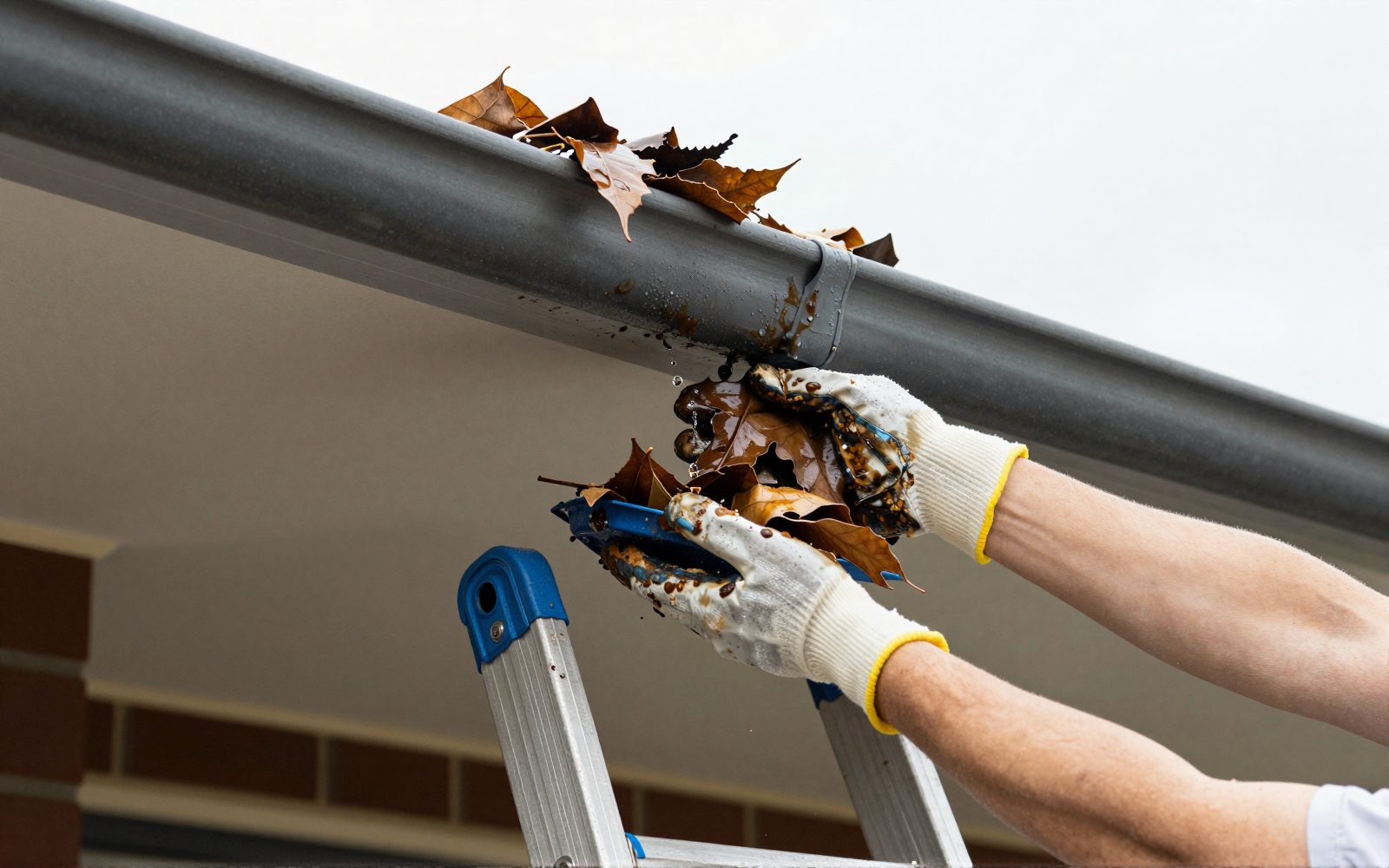
How often
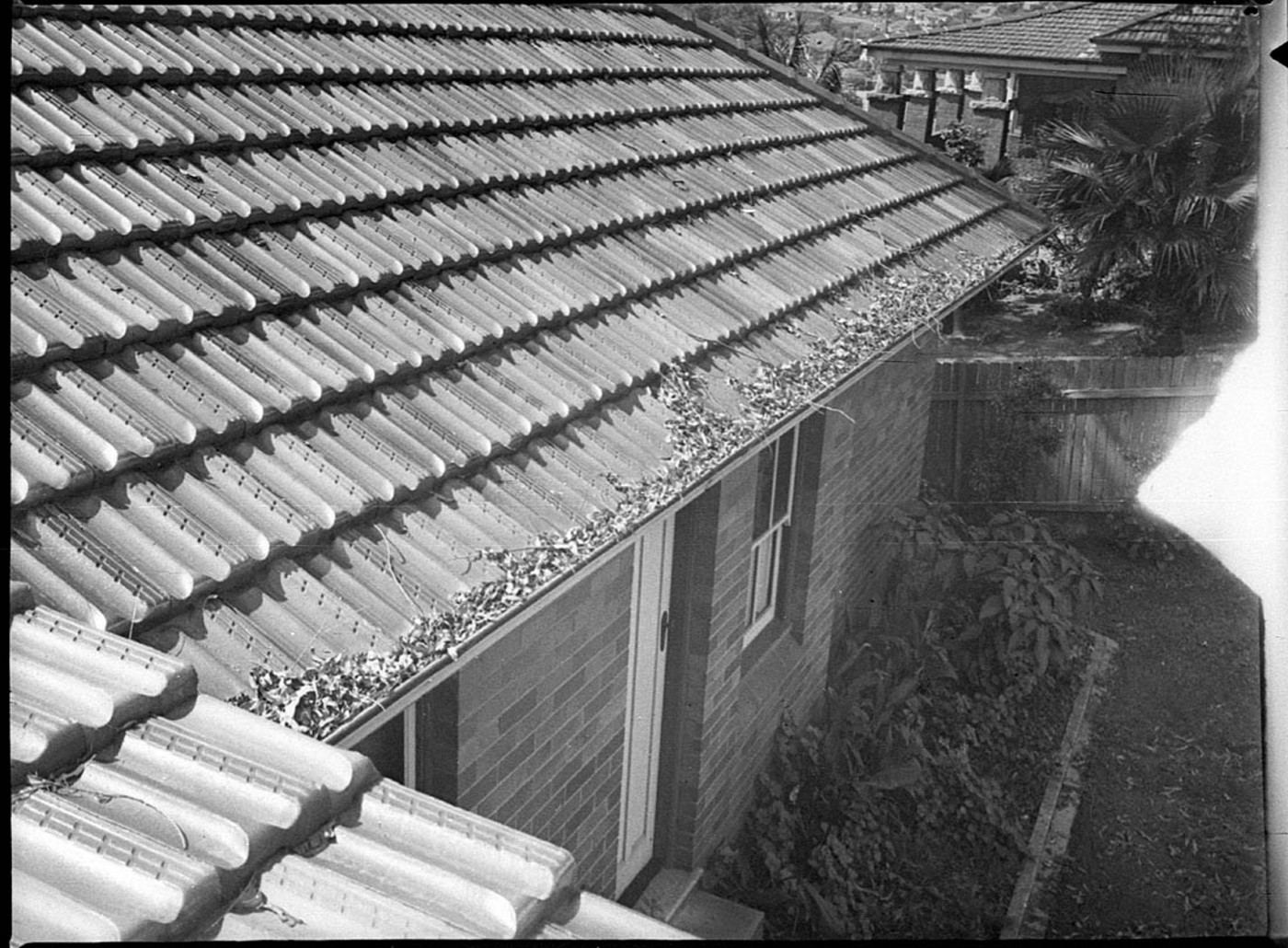
Base the maintenance interval on the debris actually found, the surrounding trees, the roof and gutter arrangement, product instructions and local conditions. A single calendar interval cannot describe every house. NSW RFS includes clearing leaves and twigs from gutters in its property-preparation guidance; prepare before the relevant season rather than waiting for an overflow.
Read the published ranges as different pricing methods
The figures above come from hipages' national guide dated 6 January 2026. Its whole-house, metre and hourly examples are different ways a cleaner might discuss work; they are not three charges to add together automatically.
For an actual quote, establish whether the contractor is offering a fixed total, a rate for measured length or time-based work. Identify any minimum charge, access allowance, guard work, debris disposal or other separately priced items. A low advertised starting figure does not describe every house or every scope.
Likewise, a broad range is not a promise that your job will fall inside it. The guide gives a starting point for a budget discussion. The property-specific quote should explain the work and price you are agreeing to, including GST and any stated exclusions.
A metre-rate example for a 50-metre gutter system
Using the cited $4 to $7 per metre range, a hypothetical 50 metres gives a length calculation of $200 to $350. That is 50 multiplied by the two ends of the published range. It is not a quote for a particular home and does not establish what the cleaner includes in that rate.
If a contractor instead quotes a fixed total, ask how its scope compares rather than insisting it equal the simple multiplication. The actual job might include access requirements or other tasks not described by a metre rate. Conversely, a headline metre rate may leave those tasks out.
The measured item is gutter length, not roof surface area or the floor area of the house. A house with several additions, attached structures or short separate runs needs a clear description of what is included. A bedroom count alone cannot identify all those sections.
What an hourly rate tells you
Hipages also publishes an hourly range. As a mathematical illustration, two billable hours at $200 to $250 would be $400 to $500. This is a hypothetical time allowance, not a prediction of how long your clean will take.
Before accepting time-based work, ask how billable time is defined and what happens if the job takes longer than expected. Clarify whether a quoted rate covers the crew or is charged per person, and whether travel, setup or equipment is separate. Do not infer those terms from the number alone.
For fixed-price work, the useful question is whether the cleaner has enough information to state the scope. For time-based work, it is how the scope, expected allowance and any additional time will be agreed. Keep the pricing basis with the booking so the invoice can be compared with the original arrangement.
Know which parts of the drainage are being cleaned
Ask whether the scope includes every agreed gutter run, the outlets, downpipes and any investigation of connected drainage. These are distinct parts of the water's route. Removing leaves from the visible gutter does not document the condition of an inaccessible downpipe or an underground drain.
Describe any current overflow when requesting the quote. State its location and when it happens, rather than simply booking a clean and assuming debris is the cause. If the cleaner identifies a problem outside the agreed work, ask for the finding and proposed next step.
Cleaning and repair should also be separated. A scope that removes debris is different from one that repairs damaged joints, renews supports or changes drainage. The overflowing gutters guide explains why the same symptom can need different work.
Gutter guards can change access and maintenance
Identify the installed guard product if you know it, and provide photographs taken safely from ground level. Ask the contractor whether the proposed clean concerns debris on the guard, material within the gutter or both. The maintenance method needs to suit the actual system.
The hipages guide includes an extra-cost range for guard work, but that should not be read as a universal fee applying to every product and condition. Ask whether removal and refitting are needed for your system, who performs that work and whether the quoted amount includes it.
Do not assume a guard makes the gutter maintenance-free. Nor should the price discussion presume that every guard must be removed in the same way. Keep the manufacturer's instructions, cleaner's method and agreed scope together. See gutter guard installation cost for the separate purchase decision.
Height and access belong in the quote
Tell the cleaner about storeys, attached verandahs, steep ground, narrow boundaries or other access restrictions. A photograph or drawing may help explain the layout, but the contractor needs to decide what assessment and equipment the job requires.
SafeWork NSW's March 2025 incident release concerns a plumber seriously injured in a fall while cleaning gutters. It emphasises planning and fall-risk controls. Professional attendance does not make roof access risk-free, and this guide does not provide a DIY ladder or roof-access method.
Ask how access and protection are allowed for in the scope. A contractor pricing a higher or difficult-to-reach section may be allowing for different work from a basic single-storey offer. Compare those inclusions rather than assuming the difference in total is only a markup for the same task.
Debris, guards and damage are separate findings
The inspection or cleaning record should explain what was found. Loose leaves at an outlet, debris beneath a guard and a damaged gutter section are not identical findings, even if all are described casually as "blocked gutters".
Request a record of the affected locations and any work left outside the clean. Photographs supplied by the contractor can be useful for inaccessible sections. You do not need to climb onto the roof to verify that record yourself.
If a repair or replacement is recommended, ask which observed condition supports it. Use the gutter replacement cost guide once the scope is established. A recommendation for new gutters should not be inferred solely from the fact that the current system needed a clean.
Plan maintenance from what the cleaner finds
After the first clean, keep the date, debris findings and any recommended inspection interval. Note seasonal leaf fall or changes around the property. The next maintenance discussion can then use the actual condition observed rather than a generic promise of one clean a year.
For bushfire preparation, follow current local fire-service guidance and your property plan. NSW RFS lists both clearing gutters and installing metal gutter guards among preparation measures. Neither should be interpreted as a guarantee that a house is protected from bushfire or that the rest of its preparation can be omitted.
If you install guards, change the gutter system or remove nearby trees, reassess the maintenance arrangement with the relevant provider. Do not simply carry over a claimed saving or frequency from a different property. Keep safety and drainage condition in the decision alongside the annual cost.
Comparing two cleaning offers
Write down the same scope for each provider: affected runs and outlets, guard work, access, debris removal, evidence of completion and exclusions. State any existing overflow or known damage. Ask for the total and pricing basis in writing.
A hypothetical $300 fixed quote for all agreed accessible gutters cannot be compared fairly with a $200 starting price whose final scope has not been established. Those numbers illustrate the comparison problem; they are not prices we obtained from contractors.
For a recurring arrangement, establish what each visit covers and how the interval can be reviewed. Do not multiply an assumed frequency by a headline price and call the result a guaranteed annual saving. The useful comparison is the cost of the maintenance actually needed and agreed for the property.
Check the completed scope before booking more work
If the downpipes connect to a rainwater tank
Tell the cleaner about the tank connection before agreeing to the scope. Ask which parts of the connected system the visit includes and how removed debris will be handled. A roof-gutter clean is not automatically a clean of the tank, its inlet screens, filters or other equipment.
Keep the tank manufacturer's maintenance instructions with the gutter records. If a provider proposes separate work on the tank or connected components, identify its purpose and price separately. This guide does not assess the safety of stored water or provide treatment instructions.
That scope distinction also matters when comparing two quotes. One may concern the roof gutters alone while another includes identified work on connected equipment. Resolve the difference before comparing their totals, and do not assume an ordinary gutter clean certifies the condition or water quality of the whole rainwater system.
Keep the cleaner's completion record, photographs and any separate findings with the original quote. Identify any gutter runs that could not be accessed and whether further work was recommended. A clear record distinguishes a completed clean from an unresolved drainage or condition issue.
A completion photograph should identify the section it shows; one image does not demonstrate that every agreed gutter run was cleaned or every connected component checked.
If overflow recurs, describe the new event and provide the earlier record. Ask whether another clean, a repair or a drainage investigation is appropriate, rather than assuming the previous visit proves the whole system is sound. For water entering the house, use the roof leaking guide and seek appropriate help.
Doing it yourself
This page is a budgeting guide, not a safe-access assessment. Do not climb onto a roof or use a ladder on the strength of a cost comparison. Arrange a competent provider to assess access and the work required, particularly where damage, electrical hazards or suspect materials are present.
Common questions
How much does gutter cleaning cost?
$100 to $600 for a whole house, according to hipages, depending on size, storeys and gutter guards.
Do gutter guards stop the need for cleaning?
No. hipages notes guards stop the big debris but dust still gets through, so gutters still need cleaning eventually; see gutter guards.
Sources
- hipages, How much does gutter cleaning cost? (6 January 2026)
- NSW Rural Fire Service, Prepare your home
- SafeWork NSW, Plumber falls from roof while cleaning gutters (21 March 2025)
- Lysaght, Roof maintenance resources
Checked 15 October 2026. Prices are published ranges, not quotes; rules differ by state.